


Best Food Tours in Munich: A Local Selection Guide
Compare Munich food tour formats and learn what to check for tastings, local context, dietary needs, group size and market visits.
Bavaroona Team
8/29/20268 min read

Understanding Munich's Culinary Scene
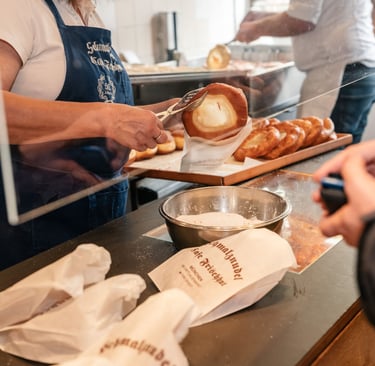
Munich, the capital of Bavaria, boasts a vibrant and diverse culinary scene that reflects its rich history and cultural influences. The city's food culture is characterized by a combination of traditional Bavarian fare and international cuisines. Key ingredients such as fresh bread, meats, and locally brewed beer are prominent in many dishes, showcasing the region's agricultural bounty.
One of the most iconic traditional dishes is Weisswurst, a white sausage made from minced veal and flavored with parsley, lemon, and cardamom. This dish is often enjoyed with sweet mustard and freshly baked pretzels, a staple in Bavarian cuisine. Another beloved dish is Schweinshaxe, or crispy pork knuckle, which is typically served with dumplings and sauerkraut. These hearty meals reflect the rustic aspects of Munich's culinary identity.
The influence of local customs and history is evident in various food festivals held throughout the year, such as the famous Oktoberfest, where thousands gather to celebrate Bavarian beer and food culture. During this event, visitors can indulge in traditional dishes while enjoying a festive atmosphere. Moreover, the city is home to numerous markets, like the Viktualienmarkt, where locals and tourists alike can find fresh produce, artisanal cheeses, and regional specialties, highlighting the importance of local sourcing in Munich's cuisine.
Furthermore, Munich's culinary scene has evolved to embrace global influences, resulting in a fusion of flavors that cater to the diverse population. Restaurants now offer international dishes alongside traditional fare, making it easy for visitors to experience the city's gastronomic variety. This blend of tradition and modernity showcases Munich as a dynamic food destination.
The Viktualienmarkt: A Central Hub for Taste Explorations
Situated in the heart of Munich, the Viktualienmarkt is an iconic food market that serves as a vital focal point for culinary enthusiasts and food tours alike. Established in the early 19th century as a replacement for the original farmers' market, it has evolved to become a vibrant hub where local producers and gourmet vendors converge to showcase the region's diverse gastronomic offerings. The market's history adds a rich layer to its significance, attracting visitors not only for its culinary delights but also for its cultural heritage.
As one strolls through the Viktualienmarkt, the array of stalls presents an enticing display of Bavaria's finest produce. From fresh fruits and vegetables to artisan cheeses, cured meats, and fresh-baked breads, there is an abundance of local fare to discover. Furthermore, many vendors offer samples, allowing visitors to experience the flavors before making a purchase. This interaction between producers and consumers enhances the market experience, making it an excellent starting point for a guided food tour.
On a guided tour, participants can expect insightful commentary from local experts who share the stories behind the market's history and the origins of the various products available. Additionally, many tours will delve into specific culinary traditions, highlighting how seasonal ingredients shape Bavarian cuisine. Visitors can explore specialties such as Weisswurst, pretzels, and regional craft beers, providing an authentic taste of Munich.
In essence, the Viktualienmarkt encapsulates the spirit of Munich's culinary scene. It not only reflects the city’s rich agricultural heritage but also serves as a gathering place for innovative chefs and enthusiastic food lovers. Whether one is looking to sample traditional snacks or simply wander through the market's bustling atmosphere, it undeniably remains a central hub for taste explorations during any food tour in Munich.
Old-Town Tasting Walks: A Broader Culinary Experience
Exploring the culinary delights of Munich through old-town tasting walks offers an enriching experience that encapsulates the essence of Bavarian cuisine. These guided tours provide participants with the opportunity to sample a variety of local specialties, showcasing traditional culinary practices and innovative adaptations alike. Participants typically visit diverse establishments, including bakeries, taverns, and specialty shops, allowing for a well-rounded taste of the region's flavors.
One significant advantage of these walks is the diversity in the types of food encountered. For instance, guests can indulge in freshly baked pretzels from local bakeries, savor authentic sausages from well-established taverns, and explore gourmet treats from specialized shops that highlight Munich’s rich culinary heritage. Each stop on the journey adds a unique layer to the tasting experience, ensuring that participants leave with a comprehensive understanding of the city's gastronomic culture.
When choosing an old-town tasting walk, it is important to consider certain factors to ensure a cohesive culinary journey. Look for tours that emphasize not only the food, but also the stories behind the dishes and the locations visited. Knowledgeable guides can enhance the experience by providing insights into local ingredients and cooking techniques while sharing the history of Munich’s vibrant food scene. Tourists might also consider the group size; a smaller group can foster a more intimate atmosphere and personalized interactions.
In conclusion, old-town tasting walks in Munich provide an exceptional avenue for food lovers to immerse themselves in the local culinary landscape. By choosing a well-structured tour that covers various types of food establishments, visitors can fully appreciate the richness and diversity of Bavarian cuisine, making their culinary journey both enjoyable and educational.
Evening Food Tours: Pairing Beers with Bavarian Cuisine
Evening food tours in Munich offer an exciting opportunity to explore the rich culinary landscape of Bavarian cuisine, all while enjoying a variety of local beers. These tours typically guide participants through vibrant neighborhoods and historic beer gardens, providing a unique blend of dining and cultural experiences. As the sun sets, the streets come alive with the aromas of traditional dishes and the clinking of beer mugs, setting the stage for an enjoyable evening.
When embarking on an evening food tour, guests can expect to sample an array of Bavarian delicacies, ranging from classic pretzels and sausages to hearty meat dishes like Schweinshaxe—crispy pork knuckle. Each stop often features a pairing with a local beer, showcasing Munich's celebrated brewing heritage. Visitors will have the chance to learn about the different beer styles, including Hefeweizen, Dunkel, and Märzen, which complement various dishes exquisitely.
It's important to assess what each tour offers in terms of meal inclusions. Some tours are designed to provide a full meal experience, ensuring that guests leave satisfied after indulging in multiple courses. Others may focus more on tastings, allowing participants to sample smaller portions of each dish accompanied by corresponding beers. Understanding the structure of the tour is key to maximizing enjoyment—those seeking a more substantial meal should inquire whether the tour includes full dishes as opposed to mere tastings.
Ultimately, evening food and beer tours in Munich serve as an ideal introduction to the city’s culinary delights, offering both locals and tourists alike a chance to bond over shared meals and regional flavors. By exploring the intersection of food and drink, these tours create memorable experiences that highlight the essence of Bavarian hospitality.
Hands-On Culinary Experiences: Cooking Classes
Cooking classes in Munich offer an enriching alternative to traditional food tours, allowing participants to immerse themselves directly in the culinary arts of Bavaria. These classes not only teach the preparation of local dishes but also provide insights into the history and cultural significance of each recipe. From pretzels to schnitzels, participants can learn the secrets of Bavarian cuisine while enjoying a memorable and interactive experience.
One of the appealing aspects of these cooking classes is the hands-on training; participants often engage in the full cooking process, which includes selecting high-quality ingredients, mastering cooking techniques, and understanding the best ways to present traditional Bavarian meals. Instruction is typically provided by skilled chefs who share their expertise and love for Bavarian gastronomy, ensuring an educational and enjoyable environment.
Moreover, many cooking classes encourage small group participation, fostering a communal atmosphere that enhances the learning experience. This setting allows attendees to share their culinary attempts, exchange tips, and enjoy the fruits of their labor together. As part of the class, participants might prepare several dishes, learning about the regional differences in Bavarian cooking and even the significance of various ingredients used in traditional recipes.
Additionally, these classes often include wine pairing suggestions, enabling participants to appreciate the perfect accompaniment to their culinary creations. Some classes even delve into the art of brewing beer, further highlighting the rich culinary culture of Munich. Whether a novice or an experienced cook, taking a cooking class offers a deeper understanding of Bavaria’s food heritage, making it a perfect complement to exploring the city’s vibrant food scene.
Choosing the Right Food Tour: Key Considerations
Selecting the right food tour can greatly enhance your culinary experience in Munich. To start, consider your personal tastes and dietary preferences. Different tours offer varying local tastings, from traditional Bavarian dishes to international cuisines. Research the culinary specialities highlighted in each tour to ensure that they align with your palate.
The knowledge and experience of the tour guide is another crucial aspect. A knowledgeable guide can offer insights not just about the food, but also the history and culture surrounding it. Look for tours with passionate guides who provide engaging commentary and are willing to share their expertise. Positive reviews often highlight the guide's ability to enhance the overall experience, making this an important factor in your decision-making.
Group size also affects the quality of the food tour. Smaller groups are often more conducive to personalized interactions and conversations. They allow for a more intimate setting where you can ask questions and interact with both the guide and fellow participants. In contrast, larger groups may rush through experiences and limit individual engagement. Check the maximum capacity of the tour group before booking to ensure it matches your preference for interaction.
Adequate dietary accommodations are essential for a satisfying experience. Many food tours in Munich cater to different dietary restrictions, such as vegetarian, vegan, gluten-free, or other specific needs. When researching, inquire about how the tour handles these dietary preferences and whether they can offer suitable alternatives. This consideration not only ensures that you enjoy the food but also aligns with your health objectives.
By weighing these aspects—local tastings, guide expertise, group size, and dietary considerations—you can select a food tour that truly caters to your preferences and enhances your culinary journey in Munich.
Final Tips for Navigating Munich's Food Tours
Embarking on a food tour in Munich is an enriching experience that allows travelers to taste the city's diverse culinary landscape. To fully enjoy these tours, careful planning is essential. One of the primary tips for making the most of your food tour is to consider the timing of your visit. Certain markets and eateries have specific hours of operation, so it's advisable to consult schedules ahead of time. For instance, the famous Viktualienmarkt is best visited early in the day when the vendors are fresh and the selection is at its peak.
Another useful approach is to prioritize your itinerary based on your culinary interests. Whether you are keen to explore traditional Bavarian dishes or contemporary culinary innovations, knowing what you want to taste can guide your choices. Many food tours in Munich focus on specific themes, such as street food, beer halls, or gourmet delicacies. Aligning your preferences with the available options can enhance your overall experience.
When participating in food tours, engaging with the guides or vendors can provide a deeper understanding of the dishes being served. Asking questions about ingredients, cooking methods, or the history behind a dish can significantly enrich your visit. Furthermore, be open to trying lesser-known specialties; Munich is home to many hidden gems that might not be included in mainstream food tours.
Lastly, it is wise to pace yourself throughout the tours. Savoring each dish rather than rushing to the next stop allows for a fuller appreciation of the culinary offerings. Sampling smaller portions can also be a good strategy, enabling you to enjoy a wider variety of foods. In conclusion, with careful planning and an open attitude, your food tour in Munich can become an unforgettable culinary adventure, showcasing the remarkable flavors of this vibrant city.

